
Heel Spurs
Heel Spurs: Understanding Their Role in Heel Pain
Heel spurs are often mentioned in discussions about heel pain, but they’re not always the root cause of discomfort. Surprisingly, many people with heel spurs experience no pain at all. However, for others, heel spurs can be the source of sharp, persistent heel pain.
What Is a Heel Spur?
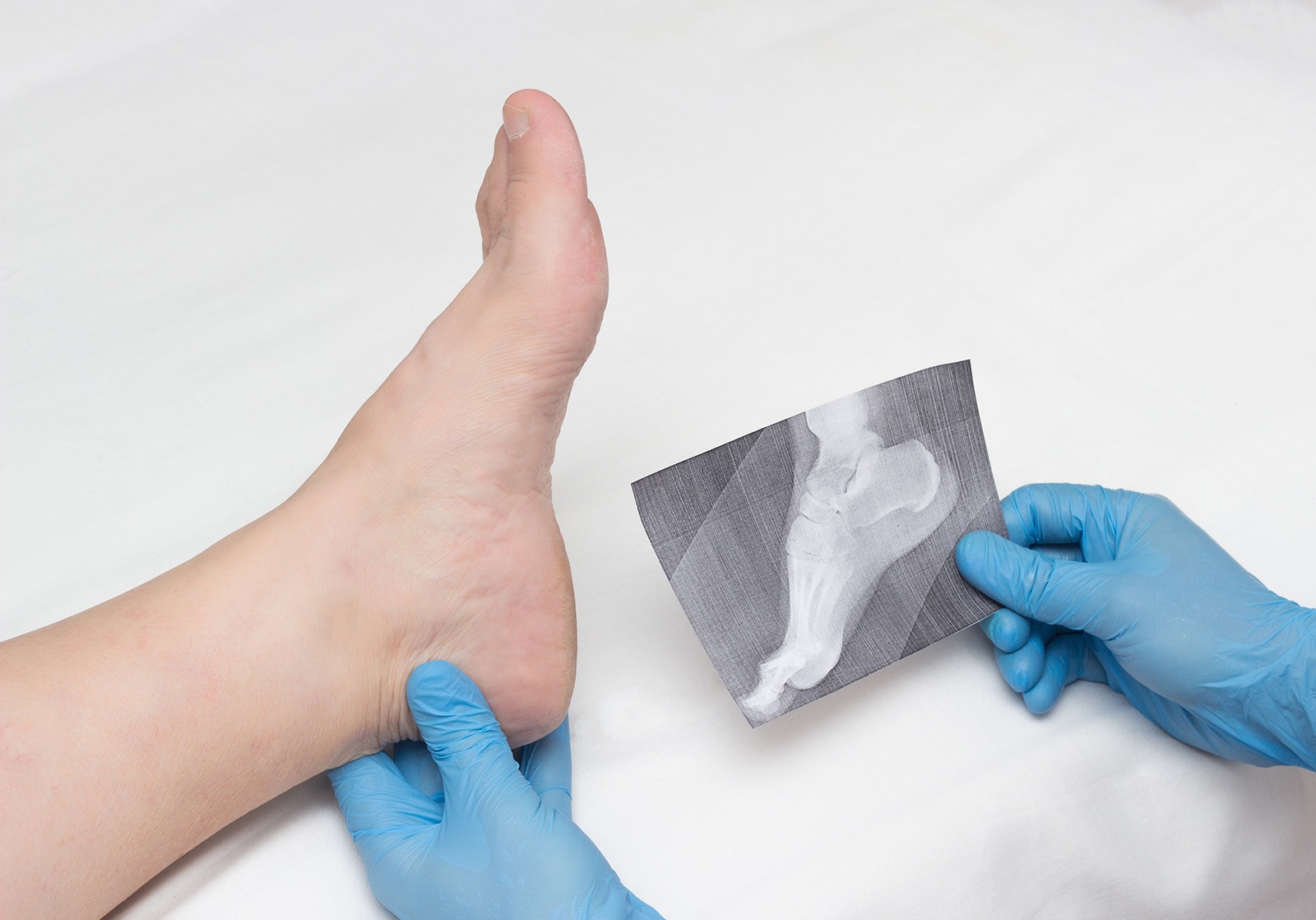
A heel spur is a bony growth that forms on the bottom of the heel bone, typically beneath the heel or between the heel bone and the arch of the foot. These spurs are made of calcium deposits, and as more calcium accumulates, the spur can grow over time, sometimes reaching up to half an inch or more. However, most heel spurs are small—around a quarter-inch in length—and may not cause any
What Causes a Heel Spur?
You might not consider a bone as something that can become stressed from being pulled on, but it can.
When muscles, ligaments, or the plantar fascia (which connects the heel bone to the base of the toes) produce too much stress on the bone, the body may try to make up for this stress by depositing calcium in the area, causing a spur to gradually form.
It takes time for a heel spur to develop, which means the source of stress on the heel has likely been around for a long time as well. Repetitive stress from athletic overuse, abnormalities in your foot structure, or wearing unsupportive footwear can all be potential causes.
Can Heel Spurs Cause Heel Pain?
While heel spurs are often associated with heel pain, they are not usually the primary cause. The American Academy of Orthopaedic Surgeons reports that while 10% of people have heel spurs, only 5% of those individuals experience pain. Many heel spurs are discovered incidentally through X-rays, as they rarely cause noticeable symptoms on their own.
So, if your heel pain isn’t caused by a spur, what might be the culprit?
Other Common Causes of Heel Pain
Soft tissues such as the plantar fascia, muscles, and ligaments are more likely to be the source of heel pain. Plantar fasciitis, a common condition where the plantar fascia becomes inflamed, is often the primary cause. In these cases, heel spurs may form as a result of the constant pulling on the heel bone from the inflamed fascia.
Treatment Options for Heel Pain
If heel pain is caused by plantar fasciitis or other conditions, addressing the underlying issue can bring significant relief. Treatment options may include:
- Stretches and conditioning exercises to relieve tension in the plantar fascia and other tissues.
- Footwear adjustments to ensure proper arch support and cushioning.
- Custom orthotics to provide better alignment and alleviate pressure on the heel.
- Laser therapy or other advanced treatments to reduce inflammation and promote healing.
While treating the root cause of heel pain won’t make the spur disappear, it can significantly reduce or eliminate the discomfort associated with it. In rare cases, if the heel spur is aggravating a nerve or sensitive tissue, surgical removal may be considered.
Get Relief from Heel Pain Today
Whether your heel pain is caused by a heel spur, plantar fasciitis, Achilles tendinitis, or another condition, it’s important not to ignore it. Seeking timely treatment is essential for long-term relief and improved foot health.
Contact us today to schedule an appointment and get to the root of your heel pain. Call our office or fill out our online form for more information.
McPherson Office
316 W. 4th Street
McPherson, KS 67460
P: (620) 241-3313
F: (620) 241-6967
© Community Foot Clinic of McPherson. All Rights Reserved.
Privacy Policy | Terms & Conditions
Web Design by CP Solutions
Marketed by VMD Services